
Earthpits - Maintenance / Installations Works
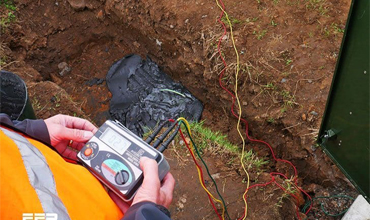
Earth pits are a fundamental component of any electrical system's earthing (grounding) arrangement. Their primary purpose is to provide a low-resistance path for fault currents to dissipate safely into the general mass of the earth, thereby:
Protecting personnel: Preventing electric shock by keeping touch and step voltages within safe limits during a fault.
Protecting equipment: Limiting overvoltages (e.g., from lightning strikes or switching surges) that could damage electrical apparatus.
Earth pits are a fundamental component of any electrical system's earthing (grounding) arrangement. Their primary purpose is to provide a low-resistance path for fault currents to dissipate safely into the general mass of the earth, thereby:
Protecting personnel: Preventing electric shock by keeping touch and step voltages within safe limits during a fault.
Protecting equipment: Limiting overvoltages (e.g., from lightning strikes or switching surges) that could damage electrical apparatus.
Ensuring proper operation of protective devices: Allowing sufficient fault current to flow to earth to reliably trip circuit breakers or fuses.
Stabilizing voltage: Providing a stable reference potential for the electrical system.
In India, earthing practices are primarily governed by IS 3043: Code of Practice for Earthing and the Central Electricity Authority (Measures Relating to Safety and Electric Supply) Regulations, 2023 (formerly Indian Electricity Rules, 1956), along with the National Electrical Code of India (NEC) 2023. The Electrical Inspectorate of Andhra Pradesh enforces these regulations locally.
Earth pits are a fundamental component of any electrical system's earthing (grounding) arrangement. Their primary purpose is to provide a low-resistance path for fault currents to dissipate safely into the general mass of the earth, thereby:
Protecting personnel: Preventing electric shock by keeping touch and step voltages within safe limits during a fault.
Protecting equipment: Limiting overvoltages (e.g., from lightning strikes or switching surges) that could damage electrical apparatus.
Ensuring proper operation of protective devices: Allowing sufficient fault current to flow to earth to reliably trip circuit breakers or fuses.
Stabilizing voltage: Providing a stable reference potential for the electrical system.
In India, earthing practices are primarily governed by IS 3043: Code of Practice for Earthing and the Central Electricity Authority (Measures Relating to Safety and Electric Supply) Regulations, 2023 (formerly Indian Electricity Rules, 1956), along with the National Electrical Code of India (NEC) 2023. The Electrical Inspectorate of Andhra Pradesh enforces these regulations locally.
Let's look at their installation and maintenance.
I. Earth Pit Installation Works for Electrical Systems
Proper installation is crucial for effective earthing. The choice of earth electrode (pipe, plate, rod, or chemical/maintenance-free) and the method of installation depend heavily on soil resistivity, available space, and the required earth resistance value.
Common Types of Earth Pits/Electrodes:
Pipe Earthing: Uses a GI (Galvanized Iron) pipe or copper pipe buried vertically in the ground. This is very common.
Plate Earthing: Uses a GI or copper plate buried vertically in the ground.
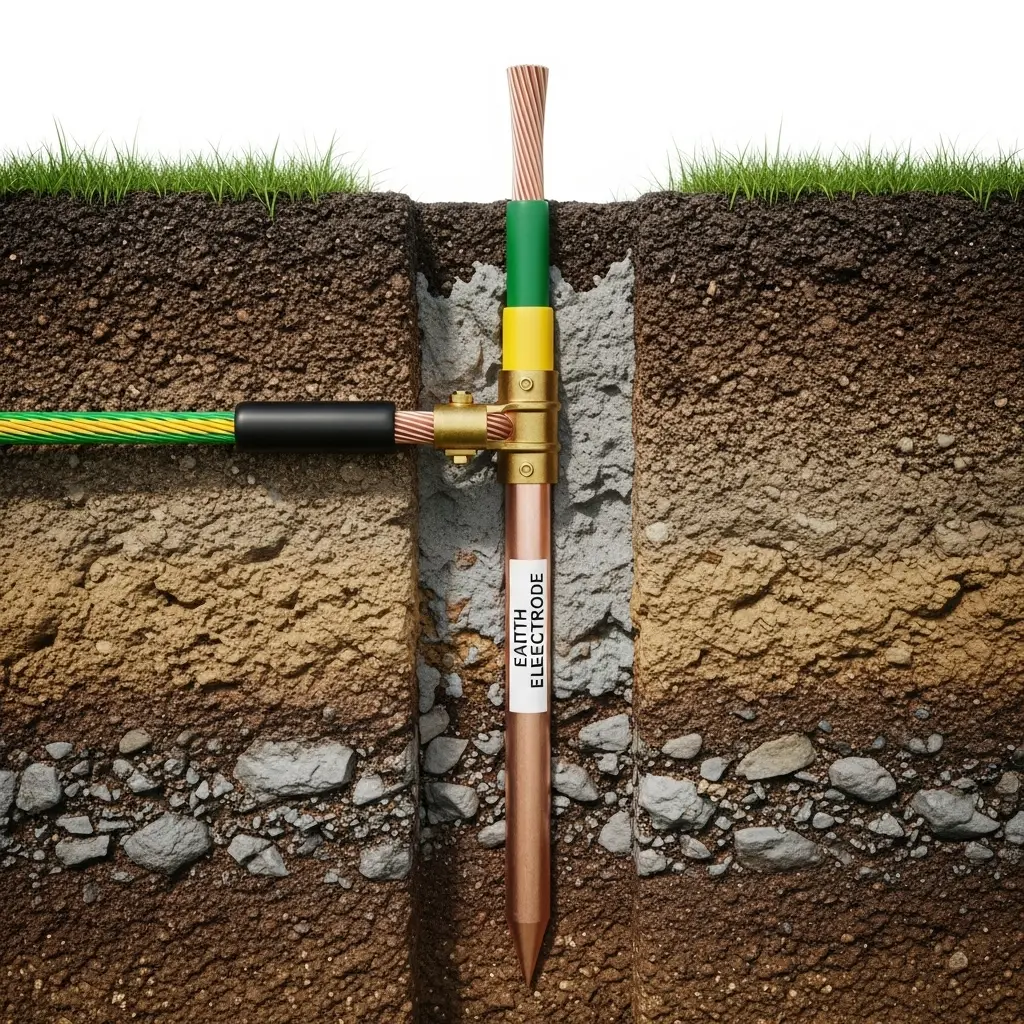
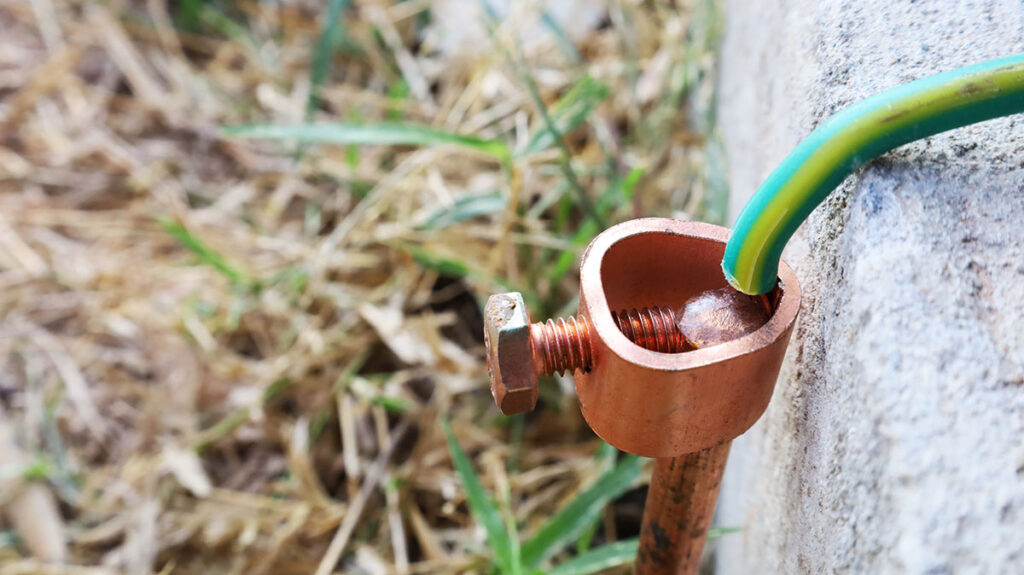
Rod Earthing: Uses copper-bonded steel rods driven into the ground.
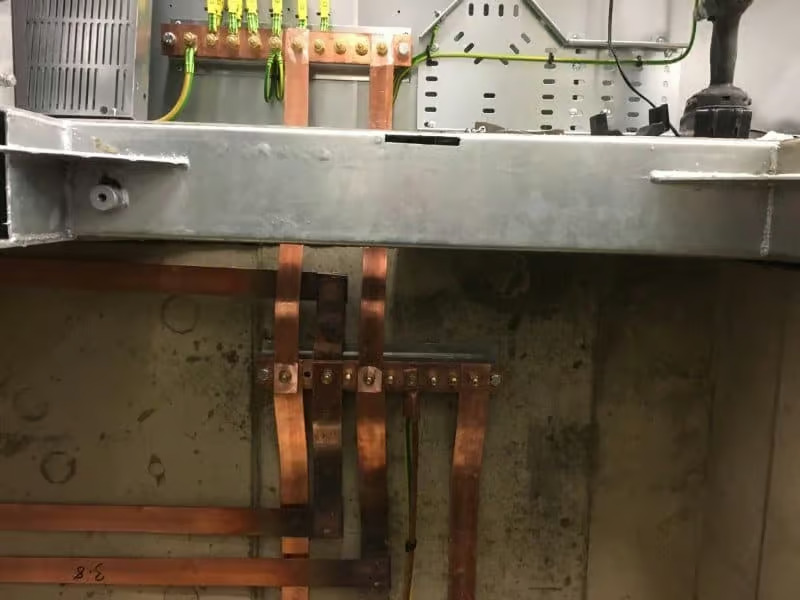
Strip/Wire Earthing: Uses a flat strip or round wire buried horizontally in a trench, often used for earthing grids.
Chemical Earthing (Maintenance-Free Earthing): Involves using a specialized electrode (often copper-bonded rod) surrounded by a highly conductive, non-corrosive, and hygroscopic (moisture-retaining) chemical backfill compound (e.g., Bentonite, carbon-based conductive concrete). This type aims to maintain low resistance without frequent watering.
Other Services
Pipe Earthing
.jpg)
Plate Earthing
Rod Earthing
Strip / Wire Earthing
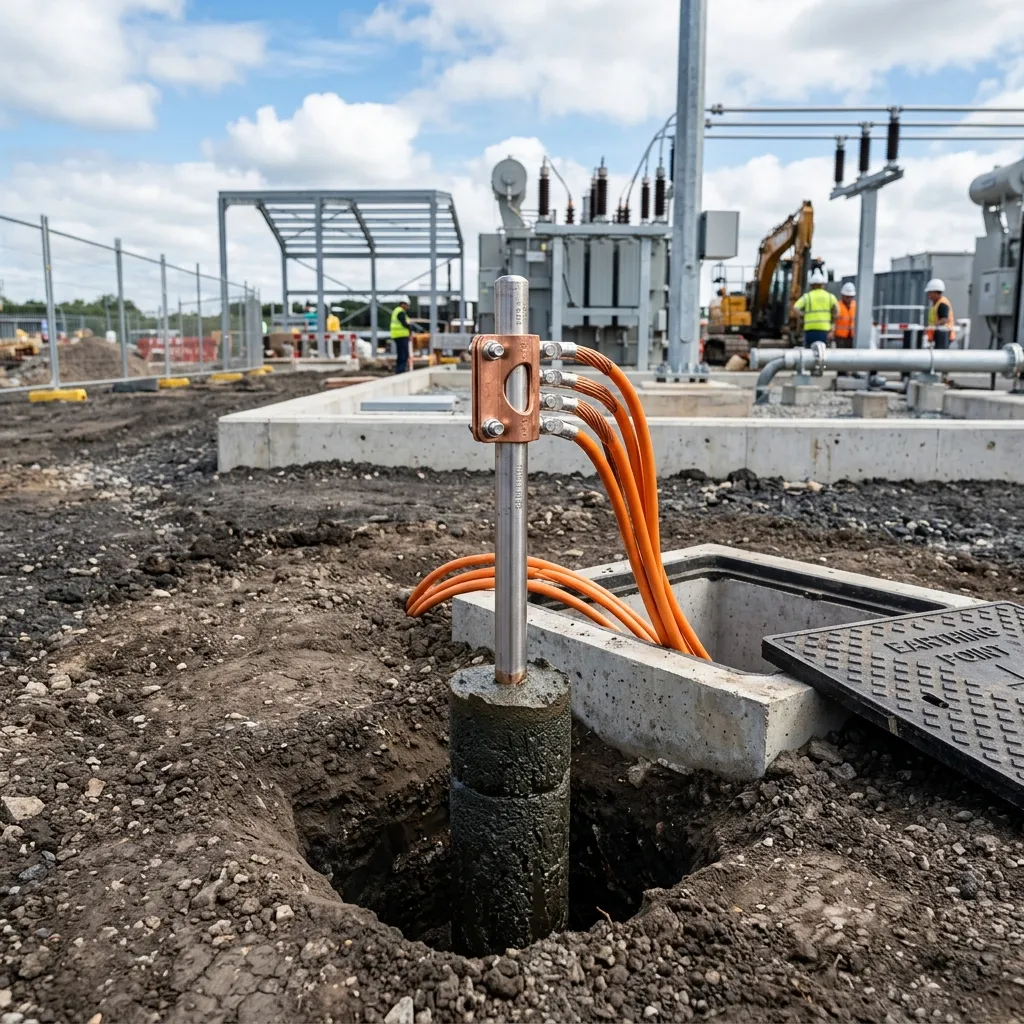
Chemical Earthing
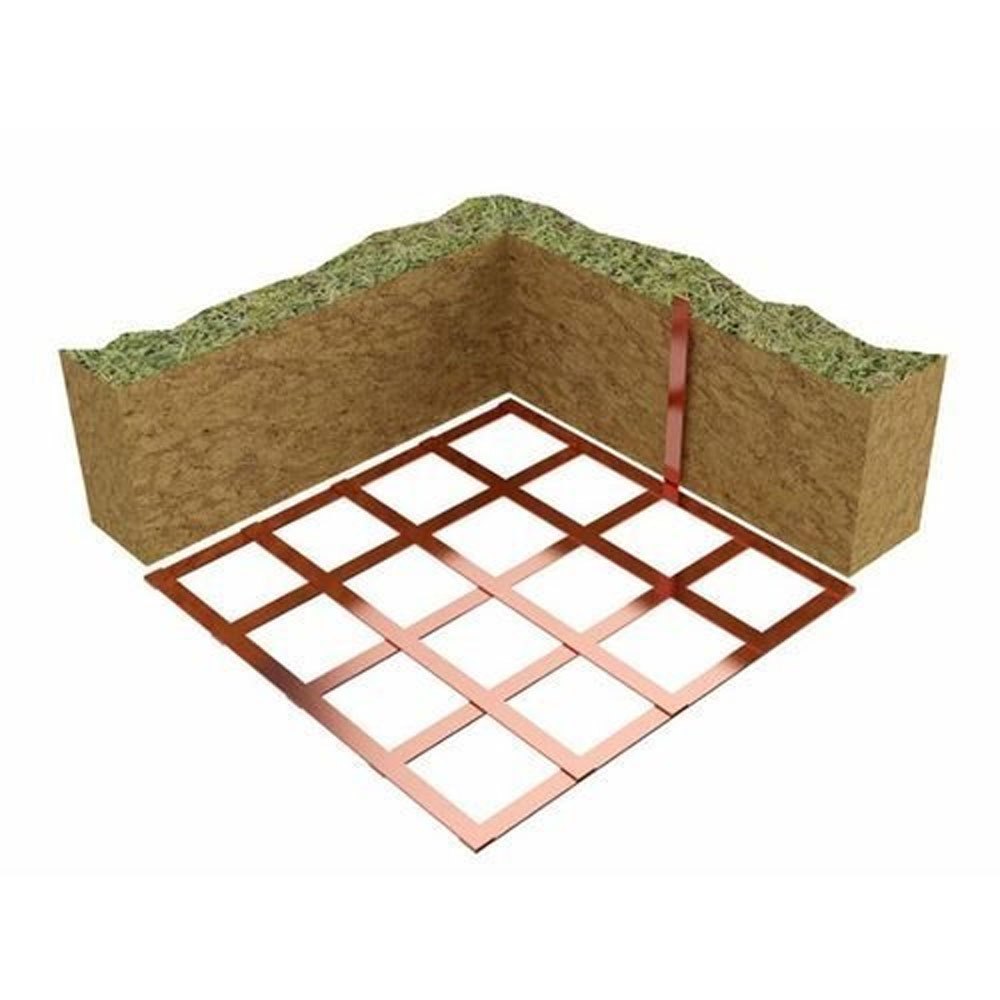
Earthing Grid
All Services Gallery
Over 10+ years experience & knowledge of industrial systems.
